Showing posts with label Stories. Show all posts

Saturday, June 13, 2026

परिमळस्य मूल्यम् The Price of a Fragrance


आसीत् कस्मिंश्चिद् ग्रामे कुचेलनामको दरिद्रः । सः कदाचित् सायङ्काले परिश्रमात् श्रान्तः स्वगृहं प्रति प्रतस्थे।

तस्य मार्गे एकः मिष्टान्नापणः आसीत्। तस्माद् आपणात् नवपक्वानां मिष्टान्नानां मनोहरः परिमळः समन्ततः प्रसृतः। तं गन्धं समाघ्राय कुचेलस्य जिह्वा लोलायितेव बभूव। स च किञ्चित्कालं तत्र स्थित्वा तं सुगन्धम् अनुभवन् मनसा तृप्तिं लेभे।

अथ कुचेलः चिन्तितवान् - “दरिद्रोऽहम्। न मया एतानि मिष्टान्नानि क्रेतुं शक्यन्ते।” इति। ततः सः गन्तुम् उद्यतः।

तस्मिन्नेव काले विक्रेता उच्चैः स्वरम् उवाच - “भोः पुरुष! तिष्ठ तिष्ठ। मूल्यं विना कुत्र गच्छसि?”

कुचेलः विस्मितः पप्रच्छ - “मूल्यं नाम कस्य?”

विक्रेता प्राह - “एतेषां मिष्टान्नानां मूल्यं देहि।”

कुचेल उवाच - “किं ब्रवीषि? मया तु किमपि न भक्षितम्।”

विक्रेता प्रत्यवदत् - “यद्यपि न भक्षितम्, तथापि तेषां परिमळस्त्वया अनुभूतः। गन्धास्वादनं नाम भोजनतुल्यमेव।”

एवं श्रुत्वा स कुचेलो महान्तं विषादमगमत्।

तस्मिन्नवसरे तत्र कश्चित् प्राज्ञः वृद्धपुरुषः समुपस्थितः आसीत्। सः कुचेलस्य दुःखकारणं ज्ञात्वा तमेकान्ते नीत्वा कर्णे किञ्चिद् उपायवचनम् अवदत्। तच्छ्रुत्वा कुचेलस्य मुखे प्रसादः समजनि।

ततः स पुनर्विक्रेतुः समीपमागतवान् । स्वकोशे स्थितानि कतिपयानि नाणकानि कम्पयित्वा झणझणेति शब्दं कारयामास।

तच्छब्दं श्रुत्वा विक्रेता हृष्टः सन् उवाच - “साधु! इदानीं धनं समर्पय।”

कुचेलः प्राह - “समर्पितमेव मया।”

विक्रेता क्रुद्ध इव उवाच - “कदा समर्पितम्? न मया किञ्चित् प्राप्तम्।”

ततः स कुचेलः स्मितपूर्वकमुवाच - “भोः श्रेष्ठिन्! किं त्वया नाणकानां झणझणशब्दो न श्रुतः?”

विक्रेता उवाच - “श्रुत एव।”

कुचेलः प्राह - “यदि गन्धस्य ग्रहणं भोजनतुल्यं भवति, तर्हि धनशब्दस्य श्रवणमपि धनप्राप्तितुल्यमेव। अतः मया मूल्यं दत्तमेव।”

स च विक्रेता लज्जितमुखः तूष्णीमेव तस्थौ। कुचेलस्तु वृद्धस्योपदेशेन संकटात् मुक्तः सन् सन्तुष्टमनाः स्वगृहं जगाम।

तस्मादुच्यते -

युक्त्या यत् साध्यते कार्यं न तच्छक्यं बलादपि ।

प्रज्ञावतो हि लोकेऽस्मिन् विजयः सर्वदा ध्रुवः ॥


English Translation:

Once, in a certain village, there lived a poor man named Kuchela. One evening, weary from his day's labor, he set out for his home.

On his way stood a sweet shop. From that shop spread all around the delightful fragrance of freshly prepared sweets. As Kuchela inhaled the aroma, his tongue seemed to yearn for the sweets. Standing there for some time and enjoying their pleasant fragrance, he felt a sense of satisfaction in his mind.

Then Kuchela thought, “I am poor. I cannot afford to buy these sweets.” With that, he prepared to leave.

At that very moment, the shopkeeper called out loudly: “Hey, good man! Stop, stop! Where are you going without paying?”

Surprised, Kuchela asked, “Paying? For what?”

The shopkeeper replied, “Pay for these sweets.”

Kuchela said, “What are you saying? I have not eaten any of them.”

The shopkeeper answered, “Although you did not eat them, you certainly enjoyed their fragrance. Enjoying the smell is equivalent to eating.”

Hearing this, Kuchela became greatly distressed.

Just then, a wise old man happened to be there. Learning the cause of Kuchela's distress, he led him aside and whispered a certain piece of advice into his ear. On hearing it, Kuchela's face brightened.

Then he returned to the shopkeeper. Taking a few coins from his pouch, he shook them and made them jingle loudly.

Hearing the sound, the shopkeeper became pleased and said, “Good! Now hand over the money.”

Kuchela replied, “I have already paid.”

The shopkeeper, as if angry, said, “When did you pay? I have received nothing.”

Then Kuchela, smiling, said, “O merchant! Did you not hear the jingling sound of the coins?”

The shopkeeper replied, “I certainly did.”

Kuchela said, “If enjoying a fragrance is equivalent to eating, then hearing the sound of money is likewise equivalent to receiving it. Therefore, I have already paid the price.”

The shopkeeper stood silent, his face filled with embarrassment. Kuchela, having escaped his predicament through the advice of the wise old man, returned home with a contented heart.

Therefore it is said:

“That which can be accomplished through cleverness cannot always be achieved by force. For in this world, victory surely belongs to the wise.”

Tuesday, April 4, 2023

अनुचितोपदेशः Undue Advice


एकस्मिन् वने एकः महान् वृक्षः आसीत् | वृक्षे एकः चटकः वसति स्म | एकदा तत्र वृष्टिः अभवत् |

एकः कपिः वृक्षस्य अधः आगच्छत् | कपिं दृष्ट्वा चटकः अवदत् - भोः कपे, तव शरीरं मानवशरीरम् इव अस्ति | हस्तौ पादौ च सम्यक् सन्ति | तर्हि त्वम् उत्तमगृहस्य निर्माणं किं न करोषि? इति | तत् श्रुत्वा कपिः कुपितः अभवत्| सः प्रत्यवदत् - किमर्थं मौनं न तिष्ठसि त्वम्? किमर्थं मम उपहासं करोषि? इति |


सः कपिः वृक्षम् आरुह्य चटकस्य नीडं अनाशयत् |


नीतिः - अयोग्यस्थाने उपदेशः अनुचितः

English Translation:
In a forest, there was a big tree. On the tree lived a sparrow. Once, there was rainfall. A monkey came under the tree. Seeing the monkey, the sparrow said, "Hey monkey, your body is like a human body, with hands and feet in the right places. So why don't you build yourself an excellent house?" Hearing this, the monkey became angry and said, "Why don't you remain silent? Why are you making fun of me?" Saying this, the monkey climbed the tree and destroyed the nest of the sparrow.

The moral of the story: Advice is inappropriate in an unworthy place.

Tuesday, April 6, 2021

गजेन्द्रमोक्षः - भागवतकथा Liberation of Elephant


एकस्मिन् सुन्दरवने एकः गजः कुटुम्बेन सह निवसति स्म । सः गजः एकदा सरोवरम् आगतवान्। गजः जले आनन्देन क्रीडितवान् ।

तत्र एकः मकरः आगच्छत् । मकरः गजस्य पादं गृहीतवान् । गजः बलवान् अपि मकरं निवारयितुं समर्थः न अभवत् । बहुकालं तयोः युद्धम् अभवत् । अन्ते गजः रक्षणार्थं भगवतः विष्णोः स्तोत्रम् अकरोत् ।

तस्मै नमः परेशाय ब्रह्मणेऽनन्तशक्तये ।

अरूपायोरुरूपाय नम आश्चर्यकर्मणे ॥

नम आत्मप्रदीपाय साक्षिणे परमात्मने ।

नमो गिरां विदूराय मनसश्चेतसामपि ॥

क्षेत्रज्ञाय नमस्तुभ्यं सर्वाध्यक्षाय साक्षिणे ।

पुरुषायात्ममूलाय मूलप्रकृतये नमः ॥

यं धर्मकामार्थविमुक्तिकामा भजन्त इष्टां गतिमाप्नुवन्ति ।

किं त्वाशिषो रात्यपि देहमव्ययं करोतु मेदभ्रदयो विमोक्षणम् ॥

एकान्तिनो यस्य न कञ्चनार्थं वाञ्छन्ति ये वै भगवत्प्रपन्नाः ।

अत्यद्भुतं तच्चरितं सुमङ्गलं गायन्त आनन्दसमुद्रमग्नाः ॥

तमक्षरं ब्रह्म परं परेशमव्यक्तमाध्यात्मिकयोगगम्यम् ।

अतीन्द्रियं सूक्ष्ममिवातिदूरमनन्तमाद्यं परिपूर्णमीडे ॥

सोऽहं विश्वसृजं विश्वमविश्वं विश्ववेदसम् ।

विश्वात्मानमजं ब्रह्म प्रणतोस्मि परं पदम् ॥

योगरन्धितकर्माणो हृदि योगविभाविते ।

योगिनो यं प्रपश्यन्ति योगेशं तं नतोस्म्यहम् ॥

नायं वेद स्वमात्मानं यच्छक्त्याहं धिया हतम् ।

तं दुरत्ययमाहात्म्यं भगवन्तं नतोस्म्यहम् ॥

गजेन्द्रस्य स्तोत्रं श्रुत्वा गरुडारूढः विष्णुः तत्र प्रत्यक्षः अभवत् । भगवान् विष्णुः मकरेण सह गजं जलात् बहिः निष्कासितवान्। विष्णुचक्रेण मकरः हतः। मकरः गन्धर्वरूपं धृत्वा स्वलोकम् अगच्छत्। गजेन्द्रः विष्णुप्रसादात् मुक्तिं प्राप्नोत् ।

इति गजेन्द्रमोक्षकथा ।


Sunday, April 4, 2021

कालियमर्दनकथा Kaliya-mardana Story


(उपसर्गप्रयोगः)

श्रीकृष्णः गोकुले निवसति । समीपे यमुनानदी प्रवहति । कालियनामकः नागः नदीम् अधिवसति । नागस्य विषप्रभावात् नदीजलं दूषितं सम्भवति । तेन खगाः मृगाः च मरणं प्राप्नुवन्ति । तत् श्रुत्वा कृष्णः मित्रैः सह नदीतीरम् आगच्छति । तत्र सः एकं वृक्षम् आरोहति । वृक्षात् सः नदीजले निपतति । कृष्णः जले निमज्जति । तत् दृष्ट्वा तस्य मित्राणि विलपन्ति । तदा तत्र नन्दः यशोदा च समागच्छतः । अन्ये गोपालकाः अपि तौ अनुसरन्ति । दुःखिताः गोपालकाः नदीजलम् अभिगच्छन्ति । तदा कृष्णस्य अग्रजः बलरामः तान् सर्वान् प्रतिषेधति

कृष्णः नदीजले कालियनागम् उपसरति  कृष्णस्य प्रहरणात् कालियः परिक्लाम्यति कृष्णः कालियस्य शक्तिम् अपहरति । कृष्णः देवदेवः इति कालियः अवगच्छति  सः जलात् बहिः आगच्छति  कृष्णः कालियस्य शिरसि प्रनृत्यति  कालियः मुखात् विषम् उद्वमति  कृष्णः दूरदेशं गन्तुं कालियम् आदिशति  कालियः तां नदीं परित्यजति  सः कुटुम्बेन सह दूरदेशं निर्गच्छति 

गोपालकाः श्रीकृष्णम् अभिनन्दन्ति 

(आधारः - श्रीमद्भागवतमहापुराणम्)

English translation:

Shri Krishna lives in Gokul.  The river Yamuna flows nearby.  A cobra named Kaliya dwells in the river.  The river water becomes contaminated because of the cobra’s venom.  Because of that, birds and animals die.  Hearing that, Krishna, along with friends comes to the river bank. There he climbs up a tree.  He jumps into the river water from the tree.  Krishna sinks into the water.  Seeing that, his friends lament.  Then Nanda and Yashoda arrive there.  Other cowherds also follow both of them.  The sad cowherds go towards the river water.  Then, Krishna’s elder brother Balarama restrains all of them.  

Krishna approaches the cobra Kaliya in the river water. Because of Krishna’s attack, Kaliya is exhausted. Krishna takes away Kaliya's strength. Kaliya understands that Krishna is the supreme god. He comes out of the water.  Krishna begins to dance on top of Kaliya’s head. Kaliya spits out venom from the mouth. Krishna orders Kaliya to go away to a distant place. Kaliya gives up that river.  He goes away to a distant place along with his family.

The cowherds praise Shri Krishna.

Wednesday, March 17, 2021

शशकः कूर्मः च - Hare and Tortoise Story


वने एकः सरोवरः आसीत् । सरोवरे एकः कूर्मः वसति स्म । यदा सूर्योदयः अभवत् तदा एकः शशकः तत्र आगतवान् । यावत् शशकः सरोवरस्य तीरम् आगतवान् तावत् कूर्मः अपि जलात् बहिः आगतवान् । कूर्मः मन्दम् चलति स्म । कूर्मं दृष्ट्वा शशकः हसितवान् ।

शशकः कूर्मम् उक्तवान् –

हे कूर्म, यथा अहं शीघ्रम् धावामि तथा भवान् न धावति ।

कूर्मः उक्तवान् –

भोः शशक, एवं किमर्थं वदति । सरोवरतः पर्वतपर्यन्तम् धावनस्पर्धा भवतु । यः पर्वतं पूर्वं प्राप्नोति सः विजयं प्राप्नोति । यद्यपि अहं मन्दम् चलामि तथापि अहम् एव तत्र पूर्वं प्राप्नोमि।

शशकः उक्तवान् –

यथा भवान् वदति तथा एव भवतु ।

शशकः धावितुम् आरब्धवान् । कूर्मः अपि चलितुम् आरब्धवान् । यदा शशकः अर्धमार्गम् आगतवान् तदा सः कूर्मं न दृष्टवान् । शशकः तत्र एव निद्रां गतवान् ।

परन्तु कूर्मः विश्रान्तिं विना चलित्वा पर्वतं प्राप्तवान् ।

शशकः पृष्टवान् -

यद्यपि मम वेगः भवतः अपेक्षया अधिकः तथापि भवान् तत्र कथं पूर्वं प्राप्तवान्?

कूर्मः उक्तवान् –

वेगः अधिकः भवतु वा अल्पः । यः सततं कार्यं करोति सः एव निश्चयेन जयति किल ।

नीतिः – सततं कार्यम् फलदायकं भवति ।

Thursday, February 11, 2021

अमूल्यम् उपायनम्

शतं रूप्यकाणि । तथा पञ्च च । तावदेव धनम् अलकायाः समीपे । फलशाकधान्यादिक्रयणे महता कष्टेन मितव्ययेन तावत् धनं संग्रहसाध्यम् आसीत् । अलका वारं वारं रूप्यकाणि आकलयत । ततोऽपि पञ्चाधिकशतम् एव । परेद्युः वसन्तोत्सवः । खिन्नमनस्का सा प्ररुरोद ।

स्वभर्तरि अशोके अलकायाः परमा प्रीतिः । अशोकस्य अल्पवेतनेन जीवननिर्वहणं सुदुष्करम् आसीत् । अलकायाः अश्रुधारापातः शुष्कीभूतः । सा मुखं परिमार्ज्य उपवातायनम् अवस्थिता । उत्सवोऽयं प्रीत्यनुरागदर्शनकालः । यथायोग्यं उपायनं पत्यै अर्पयितुकामा अलका चिन्ताकुला बभूव । पार्श्ववर्तिनि आदर्शे स्ववदनम् अवालोकत सा । तस्याः सुनीळकुन्तळकेशाः जानुचुम्बितप्रायाः मनसि हर्षलहरीं उदपादयन् । परन्तु मुखारविन्दं विवर्णं जातम् ।


पतिपत्न्योः वस्तुद्वयं महार्घ्यम् आसीत् । प्रथमः अशोकस्य स्वर्णघटी । घटी सा वंशपरम्परागता परमस्नेहित इव सर्वदा अशोकस्य निकटे वर्तते स्म । प्राचीनत्त्वात् घट्याः तस्याः बन्धनसूत्रमपि नासीत् । युतकस्य कोशे विद्यमानं घटीमुखं मुहुर्मुहुः बहिः निष्कास्य समयं पश्यति स्म अशोकः । अन्यत् महार्घ्यं वस्तु अलकायाः दीर्घकेशाः ।


सुन्दरकेशान् दर्पणे पश्यन्त्याः अलकायाः नेत्रकमले बाष्पसिक्तेऽभवताम् । केशान् धम्मिल्लीकृत्य पुरातनं शिरस्त्रं च परिधृत्य सा नगरमध्यस्थं विपणिमार्गं गता । तत्र आसीत् एकः आपणः “केशपाशपरिकरवस्तूनि" इति फलकसहितः । अलका सोत्साहं प्राविशत् तदापणम् । आपणिकां पप्रच्छ सा - “मम केशान् क्रीणासि किम्?” । आपणिका उदतरत् - “केशान् क्रीणामि । तव शिरस्त्रम् अवतारय । तव केशान् तावत् परीक्षेऽहम्” । अलका शिरस्त्रम् अपासारयत् । धम्मिल्लमुक्तः केशराशिः आजानु प्राशोभत । तं दृष्ट्वा हृष्टमना आपणिका अवोचत् - “पञ्चशतं रूप्यकाणि" । अलका अवदत् - “देहि तत् शीघ्रमेव” ।


केशान् विक्रीय धनं गृहीत्वा अलका चकार अटनम् आपणात् आपणम् । अशोकार्थम् उपायनस्य अन्वेषणे केचन मुहूर्ताः अतीताः । अन्ते यथेप्सितं योग्यतममेकम् उपायनं प्राप्तम् । तदासीत् अनुपमं स्वर्णमयं घटीबन्धनसूत्रम् । पञ्चशतं पञ्चाशच्च रूप्यकाणि मूल्यम् आसीत् तस्य । स्वर्णसूत्रं तथा अवशिष्टानि पञ्चाशत् रूप्यकाणि गृहीत्वा अलका सत्वरं स्वगृहं प्रापत् ।


गृहं प्राप्य अलकायाः क्षुब्धमनः किञ्चित् शान्तिम् उपागच्छत् । दर्पणाभिमुखी स्थित्वा चारुमुखी सा बहुकालं कर्तितकेशभूषितं शिरः अवैक्षत । अल्पमूर्धजा सा माणवक इव दृश्यते स्म । तादृशीं नूतनकेशशैलीम् अवलोक्य किं चिन्तयेत प्रियपतिः इति अलकायाः मनः कातरम् आसीत् । सायं सप्तवादने पाककार्यं समाप्तं तया । अशोकः कदापि विलम्बेन गृहं न आगतवान् । द्वारान्तिके आसीना अलका प्रियस्य आगमनं प्रत्यैक्षत । किञ्चित् कालानन्तरम् अशोकः प्राविशत् द्वारदेशम् । अलका मनसि देवं प्रार्थयत - “मा खिद्येत मे पतिहृदयम् अनया अपगतकेशभूषया” ।


अशोकः अलकायाः समीपम् उपसृत्य ताम् अपश्यत् । स्तम्भीभूतः सः तूष्णीम् अतिष्ठत् क्षणद्वयम् । तस्य मौनेन व्याकुला अलका अशोकस्य अन्तिके दुद्राव । पत्युः बाहौ शिरः निधाय सा उच्चैः व्यलपत् । अभणच्च - “प्रिय, मास्तु तव दृष्टिः एवं मयि । केशाः विक्रीताः मया । तद्विषये मास्तु चिन्ता । केशास्तु पुनः वर्धन्ते मम । उत्सवकालोऽयम् । त्वदर्थे किञ्चित् उपायनमिति मम मनोभिलाषा आसीत् बहुभ्यः दिनेभ्यः । अत्युचितं वस्तु एकं क्रीतं यत्ते बहु रोचते” ।


विस्मितः अशोकः अवोचत् - “हन्त! केशाः त्वया कर्तिताः?” अलका प्रत्यवदत् - “आम् । कर्तिताः विक्रीताश्च । तद्विषये पुनः न चिन्तयावः । उत्सवमिमं मोदेन आचरावः । अहम् अद्यापि तव प्रियसती अलका एव । मयि तव अनुरागः खण्डितो मा भूत्” ।


अशोकः स्वजानिं अवलोकमानः मौनम् अतिष्ठत् मुहूर्तकालम् । ततः सः स्वकञ्चुककोशात् वस्त्रसञ्चिकामेकां निष्कास्य पीठिकायां न्यदधात् । अवदच्च - “प्रिये, तव केशभूषया अबाधितं मे प्रेम । सर्वदा अनुरज्ये त्वामहम् । इयं सञ्चिका उद्घाट्य दृश्यताम् । मम विस्मयस्य कारणं स्फुटीभवति" ।


अलका सञ्चिकाम् उदघाटयत् । तत्स्थितं वस्तु दृष्ट्वा हर्षोद्रेकभावं जगाम अलका । ततः पुनः सा अश्रूणि उदसृजत् परं हर्षेण । तद्वस्तु आसीत् कङ्कतम् । सुन्दरं मणिखचितं केशप्रसाधनं कङ्कतम् । महार्घ्यं कङ्कतं तत् अनेकवारं दृष्टम् अलकया आपणे । बहुमूल्यात् तस्य कङ्कणस्य क्रीणने निवर्तितमना आसीत् सा । इदानीं मनोवाञ्छितं हस्ते गृहीत्वा अलका अवदत् - “प्रिय, प्रमुदितास्मि एतत् कङ्कतोत्तमं प्राप्य । केशाः मे वर्धन्ते अचिरादेव” ।


तदा अलका ससंभ्रमं अशोकस्य पुरतः हस्तं प्रसार्य स्वर्णमयं घटीसूत्रं अदर्शयत । अवदच्च - “प्रिय, पश्य मया किम् आनीतम् । स्वर्णसूत्रमिदं समुचितं तव घटीबन्धनाय । अनेन तव समयदर्शनं सुलभं भवति । कुत्रास्ति तव घटी । सूत्रसहितं कथं दृश्यते इति पश्यावः” ।


अशोकः निःश्वस्य आसने उपाविशत् । स्मयमानः अवदच्च - “प्रिये, उपायनद्वयम् एतत् किञ्चित् कालं मञ्जूषायां स्थापयावः । तयोः उभयोः अपि प्रयोजनं सद्यः नास्ति । मया घटी विक्रीय तद्धनेन कङ्कतं क्रीतम् । अस्तु, अधुना भोजनं खादावः" ।


मूलम् - The Gift of Magi by O. Henry


English Translation:
Invaluable Gift

Hundred rupees and five. That was all Alaka had. With great difficulty and tight spending, she was able to save that much. Alaka counted the money again and again. Still hundred and five only. Next day was the festival day. She was sad and she cried.

Alaka loved her husband Ashok very much. It was difficult to manage the expenses with the meager income of Ashok. Alaka’s tears dried. She wiped her face and stood near the window. 
That festival was about expressing your love and affection. Wanting to give a proper gift, Alaka became worried. She looked at her face in the nearby mirror. Her long hair touching her knees made her happy. But her face lost its color.

The couple was very proud of two things. One was Ashok’s golden watch. That watch came down in the family and was always with Ashok as a close friend. Because it was old, the watch did not even have a chain. Ashok used to take it out often from his shirt pocket to see the time. The other thing of pride was Alaka’s long hair.

There was a shop with a sign-board – “Hair Articles and Goods”. Alaka entered the shop with zeal. Alaka asked the shopkeeper – “Do you buy my hair”? The shopkeeper replied – “I do buy hair. Remove your hat. I will take a look at your hair”. Alaka removed her hat. Her hair fell down till her knees. Seeing that hair, the shopkeeper was joyed and said – “Five hundred rupees”.
Alaka said – “Give it to me quickly”.

Having sold her hair, Alaka took the money and went from shop to shop. Many hours went by in finding a gift for Ashok. Finally, she got a good gift. That was a unique golden watch chain. Its price was five hundred and fifty rupees. She took the golden chain and the balance fifty rupees and reached her home. 

After reaching home, Alaka’s uneasy mind quieted a little. She stood in front of the mirror and looked for a long time at her head with hair cut. With short hair, she was looking like a schoolboy. Alaka’s mind was weary of what her dear husband would say when he sees her new hairstyle. The dinner was ready at seven. Ashok never arrived home late. Alaka sat near the door and waited for her dear husband. After some time, Ashok entered the hallway. Alaka prayed to the god in mind – “My husband should not be upset with this lost hair”.

Ashok moved towards Alaka and saw her. Taken aback, he stood there for a couple of minutes. Perturbed by his silence, Alaka ran to him. She put her head on his arms and cried loudly. She said – “Dear, don’t look at me like that. I sold my hair. Don’t worry about it. My hair will grow back again. This is festival time. For a long time, I wished to give you a gift. I have got something that you will like very much.

Bewildered Ashok said – “Oh! You got your hair cut”? Alaka said – “Yes. Got it cut and sold it too. Let us not worry about it again. Let us celebrate this festival with joy. I am the same Alaka, your dear wife. Let your love not be lost toward me”.

Ashok stood there a while looking at his dear wife. Then he took out a cloth packet from his coat pocket and kept it on the table. He said – “Dear, your hair has no effect on my love. I always love you. Open this packet and see. The reason for my bewilderment will be clear.

Alaka opened the packet. Alaka was overjoyed by looking at what was in it. Then she wept again, but with joy. That thing was a comb. A beautiful comb with beads on it. Alaka had seen that costly comb many times in the shop. She had taken her mind off of it because of its price. Now, holding the comb she wanted in her hand, she said – “Dear, I am overjoyed by having this comb. My hair will grow back soon”.

Then Alaka eagerly opened her hand in front of Ashok and showed the golden watch chain. She said – “Dear, look what I got. This golden chain is very good for to tie your watch. With this, it will be easy for you to see the time. Where is your watch? Let us see how it looks with this chain”.

Ashok took a deep breath and sat down in the chair. He smiled and said – “Dear, let us keep away these two gifts in the cupboard for some time. Both of them are of no use for now. I sold the watch and bought the comb with that money. Let us eat dinner now”.


Monday, October 12, 2020

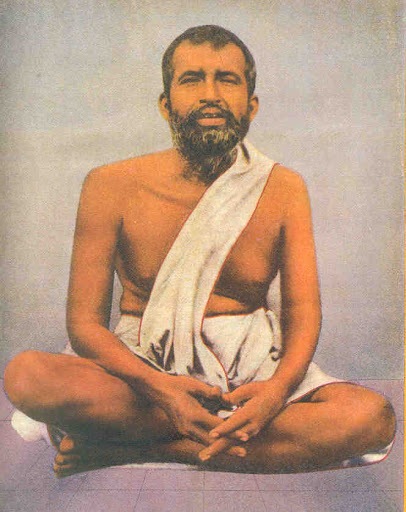
तपोमूल्यम् Value of Penance


पावनावनेः भारतखण्डस्य वङ्गभूमौ नैके महापुरुषाः प्राप्तजन्मानः | परमहंसः रामकृष्णः तेषु अन्यतमः | एकोनविंशे क्रैस्तशताब्दे जीवितः सः महाकालीभक्तः | ध्यानैकतत्परस्य तस्य अणिमादिसिद्धयः हस्तगता इति प्रतीतिरासीत् | तथापि सः कदापि स्वतपोबलं न प्रदर्शयति स्म |

एकदा प्रयाणप्रसङ्गे नदीं तितीर्षुः रामकृष्णः नदीतीरं प्राप्नोत् | तदानीमेव महायोगी एकः तत्र आगमत् | रामकृष्णः नाविकाय आतररूपं रूप्यकमेकं दत्त्वा नौकया कूलान्तरं प्राप्नोत् | परन्तु सः योगी तु स्वयोगबलात् जलोपरि चलित्वा अन्यत् तीरं प्राप्तः | योगिनः तद् अद्भुतकार्यं दृष्ट्वा जना मूकविस्मिता जाताः | गर्वितमनाः सः योगी रामकृष्णं प्रति विकत्थमानः उवाच - "दृष्टं भोः मम जलोपरि गमनम्? त्रिंशद्वर्षैः उग्रतपोभिः साधितमेतत् सामर्थ्यं मया | तव योगसाधनेन किं प्रयोजनम्?"

तच्छ्रुत्त्वा स्मयमानो रामकृष्ण उवाच - "हे योगिमहाशय, यद्भवता महता कष्टेन साधितं जलतरणं तस्य मूल्यं केवलं रूप्यकमेकम् | जीवनस्य बहुमूल्यसमयं व्यतीत्य त्वं निष्प्रयोजकविद्यां प्राप्तवान् | तदेव समयः भगवच्चिन्तने संगच्छते चेत् जन्म एव सार्थकं भवति" |

व्रीडितो योगिवर्यः ततः नतमस्तकः निर्जगाम |

English translation:
In the Bengal area of the holy Indian continent, many great people were born. Paramahamsa Ramakrishna was one of them. He lived in the 19th CE and was a devotee of Goddess Mahakali. He was always focused in meditation and it was known that he had many mystical powers. Even then, he never used to show his special powers.

Once, during a journey, desiring to cross a river, Ramakrishna reached the river bank. At the same time, a great yogi came there. Ramakrishna gave one rupee as a fee, and reached the other side of the river by a boat. But that yogi with his yogic power, walked on the water and reached the other shore. Seeing the astonishing act of the yogi, the people were awestruck. Full of pride, the yogi boastingly said to Ramakrishna - "Did you see me walking on the water? This ability was attained by me after thirty years of heard penance. What is the use of your yogic meditation?"

Hearing that, Ramakrishna said smilingly - "Hey great yogi, the walking-on-water that you achieved by great difficulty is worth only one rupee. After spending  great valuable time of life, you obtained a worthless knowledge. If you spend the same amount of time in the spiritual thoughts, your life itself would be meaningful".

Ashamed, the yogi went away from there with his head hanging down.

Thursday, July 9, 2020

अरण्यकाण्डसंग्रहः - Summary of Aranyakandam


रामः लक्ष्मणेन सीतया च सह दण्डकारण्यं प्रविशति । तत्र अरण्ये विराधः नाम राक्षसः वसति । विराधः सीतायाः अपहरणाय प्रयत्नं करोति । रामलक्ष्मणौ विराधेन सह युध्यतः । विराधः मरणं प्राप्नोति । रामः बहुभिः ऋषिभिः सह मिलति । सः अगस्त्यमुनिना सह अपि मिलति । मुनेः वचनात् रामः लक्ष्मणः सीता च पञ्चवटीप्रदेशं प्राप्नुवन्ति । तस्मिन् सुन्दरे प्रदेशे सुन्दर्याः नद्यः सुन्दराणि पुष्पाणि च भवन्ति । तत्र आश्रमे ते सुखेन निवसन्ति । शूर्पणखा रावणस्य भगिनी । एकदा सा पञ्चवटीम् आगच्छति । सा रामस्य रूपे अनुरक्ता भवति । रामेण निराकृता सा लक्ष्मणं प्रार्थयति । लक्ष्मणेन अपि निराकृता शूर्पणखा सीतां प्रति धावति । तदा लक्ष्मणः शूर्पणखायाः नासिकां कर्णं च कर्तयति । शूर्पणखायाः अन्यः भ्राता खरः समीपे वसति । सा भ्रातुः खरस्य समीपं गच्छति । खररामयोः मध्ये युद्धं भवति । रामः खरस्य उपरि बहून् बाणान् मुञ्चति । राक्षसः खरः मरणं प्राप्नोति । शूर्पणखा रावणाय सर्वं वृत्तान्तं निवेदयति । रावणः मातुलस्य मारीचस्य साहाय्यं प्रार्थयति । रावणस्य भयात् मारीचः सुवर्णमृगस्य रूपं धरति । सीता सुवर्णमृगाय रामं प्रार्थयति । रामः आश्रमात् निर्गच्छति । सः मृगस्य पृष्ठतः दूरं गच्छति । रामः बाणेन मृगं मारयति । मृगः मरणसमये रामस्य ध्वनिं अनुकरोति । सीता तं ध्वनिं शृणोति । “मम पतिः साहाय्यम् इच्छति । तस्य समीपं गच्छतु” इति सीता लक्ष्मणं कथयति । लक्ष्मणः आश्रमात् निर्गच्छति । रावणः संन्यासिरूपं धरति । सः सीताम् आश्रमात् अपहरति । जटायुः नाम खगः दशरथस्य मित्रं तस्मिन् वने वसति । जटायुः रावणेन सह युद्धं करोति । रावणः जटायुं खड्गेन प्रहरति । रावणः सीतया सह लङ्कानगरं प्राप्नोति । तत्र सीतां अशोकवने स्थापयति । रामः लक्ष्मणः च आश्रामं प्रत्यागच्छतः । आश्रमे तौ भ्रातरौ सीतां न पश्यतः । रामः दुःखितः भवति । सीतां वने सर्वत्र अन्विष्यति । एकत्र सः पतितं जटायुं पश्यति । जटायुः रावणस्य वृत्तान्तं कथयति । रामलक्ष्मणौ अग्रे चलतः । तौ वीरौ कबन्धराक्षसस्य उभौ बाहू कर्तयतः । मरणसमये कबन्धः रामं कथयति - “पम्पासरोवरप्रदेशे सुग्रीवः निवसति । तस्य समीपं गच्छतु” । अनन्तरं तौ शबर्याः आश्रमं गच्छतः । रामस्य दर्शनात् शबरी मुक्तिं प्राप्नोति । ततः रामः लक्ष्मणः च पम्पासरोवरप्रदेशं प्रविशतः ।

Meanings of some words:
अनुरक्त = interested
मुञ्चति = releases
साहाय्यम् = help
निराकृत = rejected
अनुकरोति = imitates
एकत्र = at one place
उभौ = both (two)
ततः = thereafter (afterwards)/from there

Thursday, July 2, 2020

अयोध्याकाण्डसंग्रहः Summary of Ayodhyakandam

पितृभक्त्या पुरत्यागं सीतया लक्ष्मणेन च ।
कृत्वा वनं गतो रामः भरतः पादुकाधरः ॥

दशरथः अयोध्यायाः महाराजः । दशरथस्य कौसल्या सुमित्रा कैकेयी इति पत्न्यः । कौसल्यायाः पुत्रः रामः । सुमित्रायाः पुत्रौ लक्ष्मणः शत्रुघ्नः च । कैकेय्याः पुत्रः भरतः । रामस्य पत्नी सीता । एकदा भरतः शत्रुघ्नः च मातुलस्य नगरं गच्छतः । तदा ज्येष्ठः पुत्रः रामः राजा भवतु इति दशरथः इच्छति । सर्वे जनाः हृष्टाः भवन्ति । परन्तु दशरथस्य पत्नी कैकेयी दुःखिता भवति । सा दशरथं वदति - "मम पुत्रः भरतः एव राजा भवतु । अपि च रामः वनं गच्छतु" । दशरथः मूर्छितः भवति । रामः कैकेयीं दशरथं च नमति । सः नगरात् निर्गच्छति । सीता लक्ष्मणः च रामम् अनुसरतः । रामः लक्ष्मणः सीता च नौकया नदीं तरन्ति । ते वनं प्रविशन्ति । जनाः शोकं कुर्वन्ति । रामस्य वियोगात् दशरथः मरणं प्राप्नोति । भरतः शत्रुघ्नः च मातुलस्य गृहात् प्रत्यागच्छतः । भरतः सर्वं वृत्तान्तं जानाति । सः दुःखितः क्रुद्धः च भवति । भरतः राज्यपदं निराकरोति । सः परिवारेण सह वनं प्रविशति । तत्र ते सर्वे रामेण सह मिलन्ति । भवान् एव राजा भवतु इति भरतः रामं प्रार्थयति । रामः वदति - "हे भरत, अहं तु इदानीं वने एव वसामि । चतुर्दशवर्षानन्तरम् अयोध्यां प्रत्यागच्छामि । तदा अहं राजा भवामि" । भरतः वदति - "हे प्रिय राम, भवतः पादत्राणं मह्यं ददातु । तस्य साहाय्येन अहं राज्यपालनं करोमि" । रामः भरताय पादत्राणं ददाति । भरतः रामस्य पादत्राणं मस्तकस्य उपरि धरति । सः परिवारेण सह अयोध्यां प्रतिगच्छति । रामः सीतया लक्ष्मणेन च सह अन्यत् वनं व्रजति ।

Meaning of some words:
एकदा = Once (at one time)
तदा = then (at that time)
ज्येष्ठ = eldest
हृष्ट = happy/excited
परन्तु = but/however
मूर्छित = unconscious
निर्गच्छति = goes away
अनुसरति = follows
वियोग = separation
प्रत्यागच्छति = comes back
वृत्तान्त = news/happening
क्रुद्ध = angry
निराकरोति = rejects
इदानीम् = now
चतुर्दशवर्षानन्तरम् = after fourteen years 
साहाय्येन =  with the help of
व्रजति = goes (गच्छति)

English Meaning:
Dasharatha is the king of Ayodhya. Kausalya, Sumitra, and Kaikeyi are Dasharatha's wives. Kausalya's son is Rama. Sumitra's sons are LakshmaNa and Shatrughna. Bharata is Kaikeyi's son. Rama's wife is Seeta. Once Bharata and Shatrugna go to their maternal uncle’s city. Dasharatha desires that his eldest son must be coronated as the king. All people become happy. But Dasharatha's wife Kaikeyi is unhappy. She says to Dasharatha - “My son Bharata only should become the king. And also Rama should go to the forest." Dasharatha loses consciousness. Rama bows to Dasharatha and Kaikeyi. He leaves the city. Seeta and Lakshmana follow Rama. Rama, LakshmaNa, and Seeta cross the river on a boat. They enter the forest. All the people are very dejected. Separated from Rama, Dasharatha attains death. Bharata and Shatrughna return from their maternal uncle’s place. Bharata comes to know of all that happened. He is sad and angry. He rejects the throne. He with his family enter the forest. There they all meet with Rama. Bharata pleads to Rama that he only should become the king of Ayodhya. Rama replies - "Hey Bharata, right now I will live in the forest only. After fourteen years, I will return to Ayodhya. I will be the king then." Bharata says - "Dear Rama, please give me your sandals. With the help of those I will rule the kingdom." Rama gives him his sandals. Bharatha places the sandals over his head. He returns to Ayodhya with his family. Rama with Seeta and LakshmaNa go to another forest.

Thursday, June 25, 2020

सुलभबालकाण्डम् Simple Balakandam

दशरथः इक्ष्वाकुवंशस्य महाराजः । सः अयोध्यानगरे वसति । दशरथस्य प्रथमा पत्नी कौसल्या । द्वितीया सुमित्रा । कैकेयी च तृतीया । सः एकं यागं करोति । अग्निकुण्डे यज्ञपुरुषः प्रत्यक्षः भवति । यज्ञपुरुषात् दशरथः पायसं प्राप्नोति । दशरथस्य पत्न्यः पायसं पिबन्ति । तस्य प्रभावात् कौसल्यायाः गर्भे रामः अवतरति । सुमित्रायाः लक्ष्मणः शत्रुघ्नः इति पुत्रौ भवतः । कैकेयी भरतः इति पुत्रं जनयति ।

एकदा महर्षिः विश्वामित्रः महाराजस्य दशरथस्य समीपम् आगच्छति । सः वदति - “अहं एकं यागं करोमि । यागसमये राक्षसाः विघ्नं जनयन्ति । यागस्य रक्षणाय भवतः पुत्रं रामं मया सह प्रेषयतु” । दशरथः वदति - "रामः तु बालकः । अहम् एव आगच्छामि" । विश्वामित्रः वदति - "रामः बालकः । परन्तु सः समर्थः अस्ति । सः एव आगच्छतु" । दशरथः विश्वामित्रेण सह रामं प्रेषयति । रामेण सह लक्ष्मणः अपि गच्छति ।

रामलक्ष्मणौ महर्षिणा विश्वामित्रेण सह चलतः । मार्गे घोरं वनं भवति । तत्र ताटका इति राक्षसी निवसति । रामः दुष्टायाः ताटकायाः वधं करोति । अनन्तरं रामः लक्ष्मणः च विश्वामित्रस्य आश्रमं प्रविशतः । विश्वामित्रः यागस्य आरम्भं करोति । सुबाहुः मारीचः इति राक्षसौ तत्र आगच्छतः । तौ यागस्य नाशाय रक्तमांसादिकं पातयतः । रामः बाणेन सुबाहुं मारयति । रामस्य बाणेन मारीचः समुद्रे पतति । विश्वामित्रस्य यागः निर्विघ्नः समाप्तः भवति ।

मिथिलानगरस्य राजा जनकः । तस्य पुत्री सीता । सा अतीव सुन्दरी गुणसंपन्ना च । महाराजस्य जनकस्य समीपे एकः दिव्यः चापः अस्ति । यः तस्य चापस्य मौर्वीबन्धनं करोति सः एव सीतायाः पतिः भवति इति जनकस्य निश्चयः । रामलक्ष्मणौ विश्वामित्रेण सह मिथिलानगरं गच्छतः । मार्गे ते गौतममुनेः आश्रमं प्रविशन्ति । तत्र मुनेः पत्नी अहल्या शापग्रस्ता तिष्ठति । रामस्य दर्शनेन अहल्या शापमुक्ता भवति ।  

अनन्तरं तौ राजपुत्रौ मिथिलानगरम् आगच्छतः । रामः दिव्यं चापं पश्यति । सः तं चापं सुलभतया गृह्णाति । मौर्वीबन्धनस्य समये चापः भग्नः भवति । दशरथः परिवारेण सह मिथिलानगरम् आगच्छति । सीतायाः विवाहः रामेण सह भवति । तदा भगवान् परशुरामः तत्र आगच्छति । सः अन्यं दिव्यं चापं रामाय ददाति । एतस्य चापस्य मौर्वीबन्धनं करोतु इति रामं वदति । रामः तस्य चापस्य अपि मौर्वीबन्धनं करोति । परशुरामः रामम् अभिनन्दति । दशरथः परिवारेण सह मिथिलानगरात् अयोध्यानगरं गच्छति ।

Meanings of some words:
चापः = bow (धनुः)
जनयति = creates/produces
घोर = scary
पातयति = throws down
मौर्वीबन्धनम् = tying of string to a bow
शापग्रस्त = afflicted by curse
शापमुक्त = free from curse

Monday, June 8, 2020

तुकारामस्य आमलकम् - Tuakarama and the Berry

तुकारामः इति भगवद्भक्तः सप्तदशक्रैस्तशताब्दौ महाराष्ट्रप्रान्ते ख्यातनामा आसीत् | तस्य जीवने घटिताः इति कथ्यमानाः नैकाः कथाः प्रचलिताः सन्ति | तासु अन्यतमा कथा इयम् अत्र निरूप्यते |

एकदा केचन ग्रामजनाः तीर्थयात्रां कर्तुं निश्चितवन्तः | ते आशीर्वचनार्थं तुकारामस्य समीपम् आगताः | तुकारामः सुखयात्रार्थं स्वस्तिवचनम् अवदत् | सः एकम् आमलकफलं दत्त्वा अकथयत् - "आमलकम् एतत् बहु तिक्तम् | तीर्थक्षेत्रेषु अस्य अपि क्षालनं कृत्वा आनयतु | तदा तत् फलं मधुरं भवति" |

यात्रार्थिनः आमलकफलं गृहीत्वा निर्गताः | सर्वेषु तीर्थक्षेत्रेषु स्नानसमये फलस्य अपि प्रक्षालनम् अभवत् | मासानन्तरं ते ग्रामं प्रत्यागत्य तुकारामेण सह भोजनम् अकुर्वन् | भोजनसमये तुकारामः आमलकफलं खादन्तु इति अवदत् | श्रद्धया ते जनाः फलम् अखादन् | परन्तु फलं मधुरं न आसीत् | तिक्तम् एव आसीत् | ते विस्मयेन तुकारामस्य मुखम् अपश्यन् |

तुकारामः स्मयमानः अवदत् - "सज्जनाः पश्यन्तु | यथा बाह्यशुद्धीकरणात् फलस्य रुचिः न परिवर्तिता तथैव तीर्थेषु निमज्जनात् मनःशुद्धिः न संभवति | भगवद्भक्तिः सर्वथा करणीया" | आमलकदृष्टान्तेन भक्तिमाहात्म्यम् अवगतवन्तः जनाः |

English Translation
In the 17th century CE, there was a famous devotee by the name Tukarama in the Maharashtra area. There are many stories in circulation that are said to have happened in his life. One such story is presented here.

Once, some villagers decided to go on a pilgrimage. They came to Tukarama for blessing. Tukarama wished them with good words. He gave them a berry fruit and said - "This berry is very sour. In the sacred places, clean this fruit also with water and bring it back. Then that fruit will become sweet".

The travelers took the fruit and went away. In all the sacred places, during the bathing time, the fruit also got cleaned, After a month, they came back to the village and had lunch with Tukarama. During the lunch, Tukarama said to eat the fruit. Those people ate the fruit with respect. But the fruit was not sweet. It was sour only. They looked at Tukarama in surprise.

Tukarama smiling said - "Gentlemen, look. Just like the fruit's taste did not change due to the external cleansing, the mind won't be cleansed by taking dips at sacred places. Always, devotion in god should be done". By the example of the berry, the people understood the greatness of devotion.

Sunday, May 31, 2020

बालसुन्दरकाण्डम् Sundarakandam for Beginners


वायुपुत्रः मारुतिः विशालं समुद्रं लङ्घयति | सः लङ्कानगरं प्रविशति | सः माता सीता कुत्र इति चिन्तयति | सः नगरे सर्वत्र जानकीम् अन्विष्यति | सः रावणस्य भवनस्य अन्तः गच्छति | तत्र अपि सीतायाः दर्शनं न भवति | मारुतिः नगरस्य बहिः अशोकवाटिकां प्राप्नोति | वाटिकायां वृक्षस्य अधः दुःखितां सीतां पश्यति | सः मधुरया वाण्या रामस्य कथां गायति | देवी सीता आनन्दिता भवति | मारुतिः देव्यै सीतायै रामस्य अङ्गुलीयकं ददाति | सीता मारुतये केशाभरणं यच्छति | अनन्तरं मारुतिः रावणस्य पुत्रम् अक्षकुमारं मारयति | रावणस्य अन्यः पुत्रः मेघनादः ब्रह्मास्त्रेण मारुतेः बन्धनं करोति | रावणः मारुतेः पुच्छं ज्वालयति | मारुतिः तेन एव अग्निना सर्वं नगरं ज्वालयति | सः लङ्कानगरात् रामस्य समीपं गच्छति | सः रामाय सीतायाः केशाभरणं ददाति | भक्तश्रेष्ठः मारुतिः प्रभुं रामं नमति |

Meaning of some words:
अन्विष्यति = searches
आनन्दिता = happy (feminine)
यच्छति = gives
अङ्गुलीयकम् = ring (worn in finger)
केशाभरणम् = ornament worn in hair
ज्वालयति = burns

Tuesday, May 26, 2020

अन्धविश्वासः Blind Faith

तिरुपतिः इति लोकप्रसिद्धं तीर्थक्षेत्रम् | तत्र देवालये स्थितस्य श्रीनिवासदेवस्य दर्शनार्थं बहवः जनाः प्रतिदिनम् गच्छन्ति | एकस्मिन् दिने देवालयस्य पुरतः जनानां दीर्घा पङ्क्तिः आसीत् | घण्टाद्वयं वा घण्टात्रयं वा निदाघे कष्टेन भक्तजनाः पङ्क्तौ स्थिताः | देवदर्शनार्थं सर्वे उत्सुकाः |

तदा तत्र कश्चित् अन्धः आगतवान् | सः पङ्क्तौ अस्थित्वा अग्रे सर्तुम् आरब्धवान् | तदा अन्ये जनाः अवदन् - "भोः, किमर्थं एतावती त्वरा | त्वं तु अन्धः | देवं द्रष्टुं न शक्नोषि | देवालयं गत्वा किं करोषि ?" अन्धः प्रत्यवदत् - "महाभागाः क्षम्यताम् | सत्यम् अहं तु अन्धः | देवं द्रष्टुं न शक्नोमि | परन्तु मम विश्वासः अस्ति | देवः मां द्रष्टुं शक्नोति | अतः अहं देवालयं गन्तुम् इच्छामि" |

अन्धस्य वचनं श्रुत्वा जनाः मूकविस्मिताः अभवन् |

English Translation:
Tirupati is a world-famous sacred place. To see the Lord Shrinivasa (idol) in the temple, lot of people go there everyday. One day, there was a long line in front of the temple. The devotees were standing in the line for two or three hours in the hot sun. To see the lord, they were all eager.

Then, a blind came there. Without standing in the line, he started to move forward. Then, the other people said - "Hey, why is this much hurry? You are blind. You cannot see the god. Going to the temple, what will you do?" The blind replied - "Excuse me gentlemen. True, I am blind. I cannot see the god. But I have faith. The god will be able to see me. Therefore, I would like to go to the temple".

Hearing the blind person's talk, the people became speechless.

Thursday, March 26, 2020

दुग्धप्रमाणम् - Proof of Milk


कृष्णदेवराजस्य सचिवः रामकृष्णः | सः बहु चतुरः | एकदा महाराजः रामकृष्णं पृच्छति - “मित्र, मम राज्ये सर्वाः प्रजाः बहु नीतियुताः | तव अभिप्रायः कः?” रामकृष्णः वदति - “महाराज, अस्मिन् राज्ये एकः अपि नीतियुतः नास्ति” | महाराजः कोपेन वदति - “कथं तव एवम् अभिप्रायः? तस्य प्रमाणं किम्?” रामकृष्णः वदति - “अस्तु | प्रमाणं दर्शयामि” |

रामकृष्णः राजभवने एकं बृहदाकारं घटं स्थापयति | सः घटस्य मुखे केवलं लघु रन्ध्रं करोति | सः राज्ये सर्वत्र घोषयति - “सर्वे जनाः राजभवनम् आगत्य घटे किञ्चित् दुग्धं पूरयन्तु” इति | जनाः तथा एव कुर्वन्ति | अनन्तरं रामकृष्णः घटम् उद्घाटयति | महाराजः अपि पश्यति | घटे केवलं जलम् अस्ति | किञ्चित् अपि दुग्धं न अस्ति |

रामकृष्णः वदति - “महाराज, पश्यतु | एकः अपि जनः घटे दुग्धं न पूरितवान् | प्रत्येकं जनस्य चिन्तनम् आसीत् - अन्ये जनाः दुग्धं पूरयन्ति | अहं तु जलम् एव पूरयामि | मम किञ्चित् जलं दुग्धे मिश्रणं भवति - इति | एतत् एव मम वचनस्य प्रमाणम्” |

महाराजः रामकृष्णस्य चातुर्यं दृष्ट्वा विस्मितः जातः |

English Meaning:
rAmakRshNa is the minister of kRshNadevarAja. He is very clever. Once the king asks rAmakRshNa - “Friend, in my kingdom, all the people are very honest. What is your opinion?” rAmakRshNa says - “King, in this kingdom, nobody is honest”. The king angrily says - “How come this is your opinion? What is its proof?” rAmakRshNa says - “OK. I will show the proof”.

rAmakRshNa keeps a big pot in the palace. He makes just a small hole in the face of the pot. He declares everywhere in the kingdom that - “all people should come to the palace and pour a little milk in the pot”. People do the same. After that, rAmakRshNa opens the pot. The king also looks upon. In the pot, there is only water. There is not even a little bit of milk.

rAmakRshNa says - “King, look. Not even a single person has poured milk in the pot. Every person’s thought was thus - other people will our in milk. But I will only pour water. My little water will get mixed up with the milk”. This is the proof of what I said”.

The king was surprised seeing rAmakRshNa's cleverness.

Thursday, March 19, 2020

चटकः वानरः च Sparrow and Monkey


पञ्चतन्त्रकथा - A Story from Panchatantra

वने एकः वृक्षः आसीत् । वृक्षे एकः चटकः वसति स्म । एकदा तत्र मन्दं मन्दं वृष्टिः भवति । एकः वानरः आश्रयार्थं वृक्षस्य अधः आगच्छति । वानरं दृष्ट्वा चटकः वदति - "भोः वानर, भवतः शरीरं मनुष्यशरीरम् इव अस्ति । हस्तौ पादौ च सम्यक् सन्ति । भवान् उत्तमगृहस्य निर्माणं किं न करोति?" तत् श्रुत्वा वानरः कुपितः भवति । वानरः चटकं वदति - "किमर्थं भवान् मौनं न तिष्ठति? किमर्थं मम उपहासं करोति?" इति उक्त्वा वानरः वृक्षम् आरोहति । वानरः चटकस्य नीडं नाशयति ।

नीतिसंदेशः
अयोग्यः उपदेशं न अर्हति ।

Transliteration:
vane ekaH vR^ikShaH AsIt. vR^ikShe ekaH chaTakaH vasati sma. ekadA tatra mandaM mandaM vR^iShTiH bhavati. ekaH vAnaraH AshrayArthaM vR^ikShasya adhaH AgachChati. vAnaraM dR^iShTvA chaTakaH vadati - "bhoH vAnara, bhavataH sharIraM manuShyasharIram iva asti. hastau pAdau cha samyak santi. bhavAn uttamagR^ihasya nirmANaM kiM na karoti?" tat shrutvA vAnaraH kupitaH bhavati. vAnaraH chaTakaM vadati - "kimarthaM bhavAn maunaM na tiShThati? kimarthaM mama upahAsaM karoti?" iti uktvA vAnaraH vR^ikSham Arohati. vAnaraH chaTakasya nIDaM nAshayati.

nItisaMdeshaH
ayogyaH upadeshaM na arhati.

Meaning:
There was a big tree in a forest. In that tree, lived a sparrow with his wife. Once there happens a drizzling rain. A monkey reaches the base area of the tree for shelter. Seeing that monkey, the she-sparrow says - “O monkey, your body looks like the body of a human. Hands are feet are in good condition. Then why don’t you build a good house?” Hearing that, the angry monkey says - “Why don’t you keep quiet? Why do you ridicule me?” Saying this, that monkey climbs the tree. It destroys the nest of the she-sparrow.

Message
Advice to an improper person or in an improper place, brings danger.

Saturday, March 7, 2020

पुण्यकोटिः - Punyakoti A Sanskrit Story


एकः ग्रामः  ।  ग्रामे अनेकाः धेनवः सन्ति । धेनवः प्रतिदिनं प्रातः ग्रामतः वनं गच्छन्ति । वने ताः धेनवः तृणं खादन्ति । अनन्तरं पुनः वनतः ग्रामं प्रति गच्छन्ति ।

एकदा सर्वाः धेनवः ग्रामं प्रति गच्छन्ति । परन्तु पुण्यकोटिः नाम धेनुः तृणं खादन्ती वने एव तिष्ठति । तदा एकः व्याघ्रः आगच्छति ।

व्याघ्रः वदति - “हे धेनो, बहु कालात् मम भोजनं न लब्धम् । त्वं मम उत्तमभोजनम् । अतः त्वां मारयित्वा खादामि” ।

पुण्यकोटिः वदति - “हे व्याघ्रराज, सत्यम् । अहं तव उत्तमभोजनम् । मां मारयित्वा खादतु । परन्तु मम एका प्रार्थना अस्ति । ग्रामे मम वत्सः अस्ति । सः मम प्रतीक्षां करोति । अहं ग्रामं गच्छामि । वत्साय दुग्धं दत्वा पुनः तव समीपे आगच्छामि । अनन्तरं मां मारयित्वा भोजनं करोतु” ।

व्याघ्रः वदति - “हे धेनो, तव वचने कथं विश्वासं करोमि?”

पुण्यकोटिः वदति - “अहं कदापि असत्यं न वदामि । कृपया मम वचने विश्वासं करोतु” ।

व्याघ्रः वदति - “अस्तु । गच्छतु । वत्साय दुग्धं दत्वा शीघ्रं मम समीपे आगच्छतु” ।

पुण्यकोटिः ग्रामं गच्छति । वत्सः तस्याः दुग्धं पिबति । अन्याः धेनवः अपि तत्र सन्ति। पुण्यकोटिः वदति - “अहं पुनः वनं गच्छामि । एकः व्याघ्रः मम प्रतीक्षां करोति । सः मां मारयित्वा खादति” ।

अन्याः धेनवः वदन्ति - “अयि भगिनि, पुनः वनं मा गच्छतु । अत्र एव तिष्ठतु” ।

पुण्यकोटिः वदति - “भगिन्यः, मम मरणं निश्चितम् इति जानामि । तथापि अहं वनं गच्छामि । अहं कदापि असत्यं न वदामि । कृपया मम वत्सस्य पालनं कुर्वन्तु” ।

इति उक्त्वा पुण्यकोटिः वनं गच्छति ।

व्याघ्रः वदति - “अहो, नूनं त्वं सत्यभाषिणी । मरणाय पुनः अत्र आगतवती । पुण्यशालिनीं त्वां मारयितुम् अहं न इच्छामि । विना भयं ग्रामं गच्छतु” ।

इति उक्त्वा व्याघ्रः ततः निर्गच्छति ।

नीतिः - सत्यं वदतु

Roman (ITRANS) Transliteration:
ekaH grAmaH  .  grAme anekAH dhenavaH santi . dhenavaH pratidinaM prAtaH grAmataH vanaM gachChanti . vane tAH dhenavaH tR^iNaM khAdanti . anantaraM punaH vanataH grAmaM prati gachChanti .

ekadA sarvAH dhenavaH grAmaM prati gachChanti . parantu puNyakoTiH nAma dhenuH tR^iNaM khAdantI vane eva tiShThati . tadA ekaH vyAghraH AgachChati .

vyAghraH vadati - “he dheno, bahu kAlAt mama bhojanaM na labdham . tvaM mama uttamabhojanam . ataH tvAM mArayitvA khAdAmi” .

puNyakoTiH vadati - “he vyAghrarAja, satyam . ahaM tava uttamabhojanam . mAM mArayitvA khAdatu . parantu mama ekA prArthanA asti . grAme mama vatsaH asti . saH mama pratIkShAM karoti . ahaM grAmaM gachChAmi . vatsAya dugdhaM datvA punaH tava samIpe AgachChAmi . anantaraM mAM mArayitvA bhojanaM karotu” .

vyAghraH vadati - “he dheno, tava vachane kathaM vishvAsaM karomi?”

puNyakoTiH vadati - “ahaM kadApi asatyaM na vadAmi . kR^ipayA mama vachane vishvAsaM karotu” .

vyAghraH vadati - “astu . gachChatu . vatsAya dugdhaM datvA shIghraM mama samIpe AgachChatu” .

puNyakoTiH grAmaM gachChati . vatsaH tasyAH dugdhaM pibati . anyAH dhenavaH api tatra santi. puNyakoTiH vadati - “ahaM punaH vanaM gachChAmi . ekaH vyAghraH mama pratIkShAM karoti . saH mAM mArayitvA khAdati” .

anyAH dhenavaH vadanti - “ayi bhagini, punaH vanaM mA gachChatu . atra eva tiShThatu” .

puNyakoTiH vadati - “bhaginyaH, mama maraNaM nishchitam iti jAnAmi . tathApi ahaM vanaM gachChAmi . ahaM kadApi asatyaM na vadAmi . kR^ipayA mama vatsasya pAlanaM kurvantu” .

iti uktvA puNyakoTiH vanaM gachChati .

vyAghraH vadati - “aho, nUnaM tvaM satyabhAShiNI . maraNAya punaH atra AgatavatI . puNyashAlinIM tvAM mArayitum ahaM na ichChAmi . vinA bhayaM grAmaM gachChatu” .

iti uktvA vyAghraH tataH nirgachChati .

nItiH - satyaM vadatu

English Meaning:

There was a village. In the village, there are many cows. The cows everyday morning go to the forest from the village. In the forest, they eat grass. Afterwards, they again come back to the village from the forest.

Once, all the cows go toward the village. But, a cow by the name Punyakoti, eating the grass, stands in the forest. Then a tiger saw the cow.

The tiger says - “Hey cow, for a long time, I did not obtain any food. You are my good food. Therefore, I will kill and eat you”.

Punyakoti says - “Hey tiger, true. I am your good food. Kill me and eat. But I have a request. In the village, there is my baby calf. He is waiting for me. I will go to my village. After giving milk to my baby, I will come back to you. After that, kill me and have me for food”.

The tiger says - “Hey cow, how do I trust your words?”

Punyakoti says - “I never tell lie. Please believe in my words”.

The tiger says - “Ok, go. After giving milk to your baby, come to me quickly”.

Punyakoti goes to the village. The calf drinks her milk. Other cows are also there.

Punyakoti says - “I go to the forest again. A tiger is waiting for me. He will kill me and eat”.

The other cows say - “Hey sister, do not go to the forest again. Stay here only”.

Punyakoti says - “Sisters, I know that my death is certain. Even then, I will go to the forest. I never tell lie. Please look after my baby”.

Saying thus, Punyakoti goes to the forest.

The tiger says - “Oh, you are indeed speak truth. You came back here to die. I do not wish to kill sacred one like you. Without fear, you go to the village”.

Saying thus, the tiger goes away from there.

Moral: Speak the truth.

Friday, February 7, 2020

शिवपार्वती-संवादः

Thanks to Shri Easwaran Subramanian for writing and contributing this story.

पार्वती - प्रभो, विलक्षणं मन्ये भारतः । स्वल्पानि चेतनान्येव कैलासं आगच्छन्ति । गङगायां स्नानं कृत्वा पापनाशनं भवति शिवलोकं सिध्यति च इति भवतोक्तम् । अस्याः परिस्थित्याः कारणं किम् ? जनाः गङ्गायां न स्नान्ति उत भागीरथी पापविमोचनशक्तिं अजहात्?
महादेवो हसन् पार्वतीं समाधातुं तामुपगम्य रहस्यं समादिशत् । तदनन्तरं तौ वृद्धरूपं धृत्वा भूमौ अवतीर्य हरिद्वारे गङगातीरम् समतिष्ठेताम् । तत्र बहवः जनाः स्नानं कुर्वन्ति स्म । सहसा महेश्वरो जलप्रवाहे स्नातुम् प्रविष्टवान् । परन्तु तेन धारायाः बलं असह्यम् अभवत् । यदा सः हस्तौ उन्नम्य साहाय्यं प्रार्थितवान् तदा केचन पुरुषाः नदीजलं प्रविश्य तं रक्षितुं सज्जा अभवन् । तान् दृष्ट्वा पार्वती अभणत् "तिष्ठन्तु, यः विगतकल्मषः अस्ति सः एव तं रक्षितुं शक्नोति ।अन्ये मा यतन्ताम्" इति । एतत् श्रुत्वा यदा सर्वे विस्मये स्थिताः तदा एकः झटिति प्रवाहे निपत्य तं वृद्धपुरुषं गृहीत्वा तटे स्थापितवान् ।
सः तस्य नगरस्य कुप्रसिद्धः चोरः आसीत् । समूहात् केचन समीपवासिनः तं विज्ञाय अपृच्छन् "कथं जातः त्वं पवित्रः । वयं जानीमः त्वं स्तेनः एव । त्वया बहूनि पापकर्माणि कृतानि" इति । सः आपत्बान्धव उक्तवान् "सत्यमेव अहं पापकर्माणि कृतवान् । परन्तु यदा अहं गङ्गाजले स्नातवान् तत्क्षणमेव अहं निर्मलः अभवम्" इति ।
महेश्वरः - पश्यतु प्रिये, सः स्तेनः गङायाः महिमायां परिपूर्णां श्रद्धां हृदि आधृत्य एव प्रवाहे निपतितवान् । शिवलोकप्राप्त्यै श्रद्धा आवश्यकी ।
पार्वती - ज्ञातं भोः ।
श्रद्धा = Faith

Sunday, December 8, 2019

Story of Savitri सावित्री-कथा

(महाभारते वनपर्वणि)
पुरा मद्रदेशे अश्वपतिः नाम राजा आसीत् । सः पुत्रप्राप्त्यर्थं महायागम् एकम् अकरोत् । यागस्य अन्ते देवी सावित्री प्रत्यक्षा अभवत् । राजा अश्वपतिः देवीं पुत्रभाग्यं ददातु इति प्रार्थयत । परन्तु देवी उक्तवती - “हे राजन्, ब्रह्मदेवस्य आज्ञया अहं तुभ्यं कन्याभाग्यं ददामि । सा कन्या तव कुलस्य कल्याणं करिष्यति” । इति उक्त्वा देवी सावित्री अदृश्या अभवत् । किञ्चित् कालानन्तरं अश्वपतिराजस्य कन्या जाता । सावित्रीदेव्याः वरप्रसादात् जाता इति कन्यायाः नामकरणम् अपि सावित्री इति अभवत् । सा अनुपमसुन्दरी तेजस्विनी आसीत् ।

यदा सावित्री युवती अभवत् तदा राजा अश्वपतिः तस्याः विवाहं कर्तुं चिन्तितवान् । परन्तु सावित्र्याः तेजःप्रकाशं दृष्ट्वा कश्चित् अपि युवकः विवाहार्थं सिद्धः न अभवत् । स्वयमेव योग्यवरस्य अन्वेषणं करोतु इति राजा पुत्रीम् उक्तवान् । सावित्री सचिवैः सह रथारूढा अनेकदेशान् अटितवती । यदा सा स्वनगरं प्रत्यागता तदा अश्वपतिराजस्य समीपे देवर्षिः नारदः आसीत् । पिता अश्वपतिः पृष्टवान् -

अश्वपतिः - पुत्रि सावित्रि, किं भवत्या योग्यवरः प्राप्तः?
सावित्री - आम् । शाल्वदेशस्य राजा आसीत् द्युमत्सेनः । केनचित् कारणेन सः अन्धः अभवत् । तस्य राज्यम् अपि नष्टम् । सः इदानीं वने पत्नीपुत्रसहितः निवसति । तस्य पुत्रस्य नाम सत्यवान् । सः धर्मपरायणः गुणवान् च । मम अनुरूपः वरः ।
अश्वपतिः - नारदमहर्षे, अस्मिन् विषये भवतः अभिप्रायः कः?
नारदः - महाराज, सत्यवान् गुणवान् धर्मतत्परः च । तस्य कुलम् अपि उत्तमम् । परन्तु एकः एव दोषः अस्ति । एकसंवत्सरानन्तरं तस्य मरणं भविष्यति ।
अश्वपतिः - पुत्रि सावित्रि, सत्यवान् अल्पायुः । अतः भवती अन्यवरस्य अन्वेषणं करोतु ।
सावित्री - दीर्घायुः भवतु वा अल्पायुः । सत्यवता सह मम मनसा वरणं जातम् । तं विहाय अन्येन सह अहं विवाहं न करोमि ।

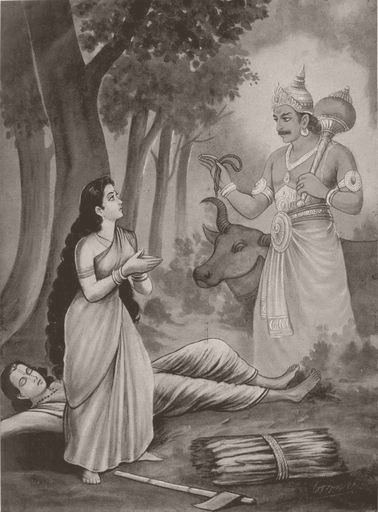
अस्तु इति अश्वपतिः वनं गत्वा वैभवेन सत्यवता सह सावित्र्याः विवाहं कारितवान् । वने सावित्री श्रद्धया श्वशुरयोः पत्युः च सेवां कृतवती । यदा संवत्सरस्य समाप्तिकालः आगतः तदा सा कठिनव्रतस्य अनुष्ठानं कृतवती । संवत्सरस्य अन्तिमदिनम् आगतम्। सत्यवान् काष्ठफलादिसंग्रहार्थं वनं गतवान् । तेन सह सावित्री अपि गतः । परशुना वृक्षं छिन्दमानः सत्यवान् परिश्रान्तः । सः सावित्र्याः उत्सङ्के शिरः दत्त्वा निद्राम् अगच्छत् । तदा तत्र श्यामवर्णः रक्तनेत्रः पुरुषः प्रत्यक्षः अभवत् । तस्य हस्ते पाशः आसीत् । तदा

सावित्री - कः भवान्?
यमः - अहं यमः । तव पत्युः आयुः समाप्तम् । अतः तस्य प्राणहरणं करोमि ।
सावित्री - प्राणहरणार्थं यमदूताः आगच्छन्ति इति श्रुतम् । भवान् स्वयं कथम् आगतः?
यमः - सत्यवान् बहु धर्मपरायणः इति अहं स्वयम् एव आगतः ।

इति उक्त्वा यमः पाशेन सत्यवतः प्राणान् अपहृतवान् । यमः ततः स्वलोकं प्रति प्रयाणम् अकरोत् । सावित्री यमम् अनुसृत्य चलितुम् आरम्भं कृतवती । तदा

यमः - सावित्रि, भवती निर्गच्छतु । पत्युः अन्त्यसंस्कारं करोतु ।
सावित्री - यत्र मम पतिः गच्छति तत्र मया गन्तव्यम् । एषः एव सनातनधर्मः । व्रतस्य बलात् मम गमने निरोधः न भवति ।
यमः - तव वचनेन अहं सन्तुष्टः । वरम् एकं प्रार्थयतु ।
सावित्री - मम श्वशुरः अन्धः । सः राज्यभ्रष्टः । तस्य दृष्टिप्राप्तिः भवेत् ।
यमः - अस्तु । तथैव भवति । भवती निर्गच्छतु । वृथा परिश्रमः मास्तु ।
सावित्री - यत्र मम पतिः अस्ति तत्र मम कुतः परिश्रमः? सत्पुरुषाणां सङ्गतिः बहु उत्तमा । तैः सह मित्रत्वं फलदायकं भवति ।
यमः - तव वचनं बहु हितकरम् । सत्यवतः जीवनं विहाय अन्यं वरं प्रार्थय ।
सावित्री - मम श्वशुरः राज्यभ्रष्टः । तस्य पुनः राज्यप्राप्तिः भवेत् ।
यमः - अस्तु । तथैव भवति । भवती निर्गच्छतु । श्रमेण अलम् ।
सावित्री - अनुग्रहः दानं सर्वभूतेषु दया च सत्पुरुषाणां महाधर्मः ।
यमः - तव वचनम् अमृततुल्यम् । सत्यवतः जीवनं विहाय अन्यं वरं प्रार्थय ।
सावित्री - मम पितुः पुत्राः न सन्ति । तस्य शतं पुत्राः भवेयुः ।
यमः - अस्तु । तथैव भवति ।‌ भवती बहु दूरम् आगता ।‌ इतः निर्गच्छतु ।
सावित्री - यमदेव, भवान् सूर्यपुत्रः । भवान् धर्मराजः । सत्पुरुषेषु जनाः विशेषतः विश्वासं कुर्वन्ति ।
यमः - तव शुभवचनेन अहं प्रसन्नः । सत्यवतः जीवनं विहाय अन्यं वरं प्रार्थय ।
सावित्री - देव, मम तथा सत्यवतः शतं पुत्राः भवेयुः ।
यमः - तथैव भवति । इदानीं निर्गच्छतु ।
सावित्री - सत्पुरुषाः धर्ममार्गात् न स्खलन्ति । ते सत्यं न त्यजन्ति । तेषां प्रभावेण लोके उत्तमकार्याणि भवन्ति ।
यमः - तव वचनं धर्मयुक्तम् । पुनः एकं वरं प्रार्थय ।
सावित्री - देव, भवता दत्तः वरः सफलः भवतु । मम दाम्पत्येन शतं पुत्राः भवेयुः । तस्य कृते सत्यवान् जीवितः भवतु । तेन विना अहं किमपि सुखं न इच्छामि ।
यमः - तव वचनेन प्रसन्नः अहं सत्यवतः जीवनं पुनः ददामि । तव पतिः दीर्घायुः भवति । शतं पुत्राः भविष्यन्ति । ते सावित्राः इति प्रसिद्धाः भविष्यन्ति ।

इति उक्त्वा यमः स्वलोकं गतवान् । सत्यवान् पुनः जीवितः अभवत् । तस्य पिता द्युमत्सेनः दृष्टिं प्राप्य पुनः स्वराज्यं प्राप्तवान् । सावित्र्याः पिता राजा अश्वपतिः शतं पुत्रान् प्राप्तवान् । सावित्री सत्यवान् अपि शतं पुत्रान्  प्राप्य सुखेन निवासं कृतवन्तौ ।

English Translation:
(As in Mahabharatam - Vanaparva)

In olden days, in Madra kingdom, there was a king by the name Ashvapati. He did a great sacrificial ritual to obtain a son. At the end of the ritual, Goddess Savitri appeared. King Ashvapati prayed the goddess to provide him with a son. But the goddess said - “Hey king, by the order of God Brahma, I will give you a girl. That girl do good to your lineage”. Saying this, Goddess Savitri disappeared. After sometime, a girl was born to the king Ashvapati. Because she was born from the boon of Goddess Savitri, the girl was also named Savitri. She was extremely beautiful and radiant.

When Savitri turned young, the king Ashvapati thought of marrying her off. But seeing the brilliance of Savitri, no boy was ready the marriage. The king said the daughter to find a suitable boy for herself. Savitri roamed many countries in a chariot accompanied by ministers. When she returned to her city, the divine saint Narada was with the king Ashvapati. The father Ashvapati asked -

Ashvapati - Daughter Savitri, was a suitable groom found by you?
Savitri - Yes, Dyumatsena was the king of Shalva country. For some reason, he became blind. His kingdom was also lost. He now lives in a forest with his wife and son. His son’s name is Satyavan. He is noble and man of good characters. He is my suitable groom.
Ashvapati - Saint Narada, in this matter, what is your opinion?
Narada - King, Satyavan is noble and of character. His family is also good. But there is only one problem. After one year, his death will happen.
Ashvapati - Daughter Savitri, Satyavan has a short life. Therefore, you find a different groom.
Savitri - Let him be of long life or short life. With Satyavan, my mental marriage has taken place. Other than him, I won’t marry another boy.

Ashvapati said okay, went to the forest and grandly married off Savitri to Satyavan. In the forest, Savitri devotedly served the in-laws and the husband. When the end of the year came near, she observed a difficult vow. The last day of the year came. Satyavan went to the forest to fetch sticks and fruits. With him, Savitri also went. While cutting a tree with axe, Satyavan became tired. He rested his head on Savitri’s thigh and went to sleep. Then, there a dark-colored, red-eyed person appeared. He had a rope in his hand. Then

Savitri - Who are you?
Yama - I am Yama. Your husband’s lifetime is over. Therefore, I will take aways his soul.
Savitri - To take away the soul, it is heard that Yama’s representatives come. How come you came in person?
Yama - Satyavan is a very noble person, so I came in person.

Saying thus, Yama took away the soul of Satyavan with the rope. From there, Yama traveled towards his abode. Savitri started walking following Yama. Then

Yama - Savitri, you go back. Do the last rites of your husband.
Savitri - I should go where my husband goes. This is the right thing to do. Because of power of my vow, my movement is not restricted.
Yama - I am pleased by your talk. Ask for a boon.
Savitri - My father-in-law is blind. Let him get his ability to see.
Yama - Okay, it will be so. You go back. Let there be unnecessary exhaustion.
Savitri - Where there is my husband, how can I be exhausted? Company of good people is very nice. Friendship with them is useful.
Yama - Your talk is very good. Except for the life of Satyavan, ask some boon.
Savitri - My father-in-law has lost his kingdom. He should get his kingdom back.
Yama - Okay, it will happen. You go back to. Enough of your effort.
Savitri - Bestowing upon others, giving away and mercy are the great characters of good people.
Yama - Your words are great. Except for the life of Satyavan, ask for a boon.
Savitri - My father does not have sons. Let there be a hundred sons of him.
Yama - Okay. It will be so. You came a long way. Go away from here.
Savitri - O God Yama, you are the son of God Sun. You are the god of righteousness. People especially trust good people.
Yama - I am pleased with your nice words. Except for the life of Satyavan, ask for a boon.
Savitri - O God, let there be a hundred sons of me and Satyavan.
Yama - It will be so. Now, go away.
Savitri - Good people do not deviate from the path of righteousness. They do not abandon truth. Because of them, good work happens in this world.
Yama - Your words have virtue in them. Ask for a boon again.
Savitri - God, let the boon given by you come true. Out of my marriage, let there be a hundred sons. For that, let Satyavan live. Without him, I do not wish any kind of happiness.
Yama - Pleased by your words, I am giving back the life of Satyavan. Your husband will have long life. You will have a hundred sons. They will be famous as Savitras.

Saying thus, Yama went to his abode. Satyavan came back to life again. His father Dyumatsena gained his vision and obtained his kingdom again. Savitri’s father King Ashvapati obtained a hundred sons. Savitri and Satyavan also got a hundred sons and lived happily.

Wednesday, November 6, 2019

काकः कनकसूत्रं च - Crow and Golden Necklace

(पञ्चतन्त्रकथा)

उपायेन जयो यादृग् रिपोस्तादृग् न हेतिभिः ।
उपायज्ञोऽल्पकायोऽपि न शूरैः परिभूयते ॥

वने एकः महान् वृक्षः आसीत् । वृक्षे एकः काकः निवसति स्म । वक्षस्य बिले एकः कृष्णसर्पः वसति स्म। सर्पः काकस्य शिशून् सर्वदा खादति स्म । काकः दुःखितः आसीत् । सर्पस्य निवारणं कथं कर्तव्यम् इति काकः चिन्तयति । समीपे एकः शृगालः वसति । काकः शृगालस्य समीपं गच्छति । सर्पस्य विषयं वदति। तस्य निवारणस्य उपायं पृच्छति । शृगालः किञ्चित् चिन्तयित्वा एकम् उपायं कथयति । काकः उपायं शृणोति । महाराजः तस्य परिवारेण सहितः समीपे जलाशयं क्रीडितुम् आगच्छति । तत्र काकः गच्छति । जलाशयस्य तटे राजपरिवारस्य वस्त्राणि आभरणानि भवन्ति । काकः आभरणेषु एकं कनकसूत्रं चञ्च्वा गृह्णाति । कनकसूत्रेण सह डयनं करोति । तत् दृष्ट्वा राजपुरुषाः काकस्य पृष्ठतः धावन्ति । काकः वृक्षस्य समीपं गच्छति । सर्पस्य बिले कनकसूत्रं पातयति । राजपुरुषाः बिले पश्यन्ति । बिले सर्पः भवति । राजपुरुषाः दण्डेन सर्पं मारयन्ति । ते कनकसूत्रं गृहीत्वा गच्छन्ति । एवं काकः सर्पभयात् मुक्तिं प्राप्नोति ।

नीतिः
यः योग्यम् उपायं जानाति सः सुलभतया जयं प्राप्नोति । तस्य अस्त्रशस्त्रस्य आवश्यकता नास्ति ।

English:
Winning using a smart idea is better than winning using weapons. One who knows a smart idea, even if he is weak, does not get defeated by strong people.

There was a big tree in a forest. In the tree, lived a crow. In the hole of the tree, lived a black serpent. The serpent always ate the babies of the crow. The crow becomes sorrowful. He thinks of how to get rid of the serpent. Nearby lives a fox. The crow goes to the fox. He tells the fox about the serpent's deeds. He asks the fox about how to get rid of the serpent. The fox thinks a bit and tells him an idea. The crow listens to the idea. The king with his family friends comes to play to a nearby lake. The crow goes there. On the banks of the lake, there were the clothes and ornaments of the royal family. From the ornaments, the crow picks up a golden necklace with its beak. He flies with the golden necklace. Seeing that, the king’s men also run behind the crow. The crow goes near the tree. He fells the golden necklace in the serpent’s hole. The king’s men look in the hole. In the hole, there is the serpent. The king’s men kill the serpent with a stick. They take the golden necklace and go away. Thus, the crow gets relieved from the fear of the serpent.

Message
One who knows the right solution, gets the success easily. He does not need any weapons.

Thursday, September 26, 2019

कैलासप्राप्तिः - Getting to Kailasa

आधारः- संस्कृतभारती-विश्लेषण-प्रशिक्षण-वर्गे वि.द.कार्तिकेयमहोदयेन निरूपिता सहजबोधकथा 


महाशिवरात्रिदिनम् । काशीनगरे महान् जनसम्मर्दः । लक्षाधिकजनाः तत्र आगताः । भक्तानाम् एकः विश्वासः अस्ति - महाशिवरात्रिदिने गङ्गास्नानं कृत्वा गङ्गाजलेन काशीविश्वनाथस्य अभिषेकं करोमि चेत् जीवनात् परं कैलासप्राप्तिः भवति इति । पार्वती कैलासे वसति । सा काशीं दृष्टवती । बहु जनसम्मर्दः । सर्वत्र जनाः सन्ति । गङ्गास्नानं कुर्वन्ति । मन्दिरं गच्छन्ति । अभिषेकं कुर्वन्ति । सा परमेश्वरं पृष्टवती “ते सर्वे जनाः जीवनात् परं कैलासम् आगमिष्यन्ति वा?” इति । तस्याः मनसि भीतिः । सर्वे जनाः कैलासम् आगच्छन्ति चेत् तत्र स्थानं पर्याप्तं न भवति । शिवस्य वाहनम् अपि वृषभवाहनम् । तत् भीत्या इतस्ततः गच्छति । शिवः हसितवान् । सः “अस्तु पश्यामः इति आगच्छतु, आवाम् इदानीं काशीं गच्छावः” इति उक्तवान् ।

पार्वत्या सह शिवः काशीम् आगतवान् । परन्तु स्वस्य रूपं धृत्वा न आगतवान् । शिवः एकः वृद्धस्य रूपं स्वीकृतवान् । पार्वती अपि वृद्धनारीरूपं स्वीकृतवती । काशीविश्वनाथमन्दिरस्य गोपुरद्वारसमीपे वृद्धा उपविशति । वृद्धः मूर्छितः इव नटति । वृद्धः वृद्धायाः वक्षस्थले मुखं निधाय उपविशति । तदा पार्वती प्रार्थनां करोति “हे भक्तजनाः, मम पतिः इदानीं मूर्छितः अस्ति । आवां विश्वनाथदर्शनार्थम् आगतवन्तौ । इदानीं एषः बहु वृद्धः मूर्छितः । तस्य दाहः अस्ति । किञ्चित् जलं ददातु” इति । भक्ताः आगच्छन्ति । तेषां हस्ते अभिषेकार्थं जलम् अस्ति । एकः वदति “धिक् दरिद्रा, गच्छतु । जलम् अभिषेकार्थम् आनीतवान् । ददामि चेत् अपवित्रं भवति” इति । सः अग्रे गच्छति । पुनः एकः अन्यः पुरुषः आगच्छति । माता प्रार्थितवती “किञ्चित् जलं ददातु । मम पतिः मूर्छितः । तस्य जीवनस्य रक्षणम् आवश्यकम् । किञ्चित् जलं ददातु” इति रोदनं कृतवाती । सः पुरुषः वदति “महाशिवरात्रिदिने दरिद्रायाः दर्शनं वा? गच्छतु गच्छतु” इति । जलं न ददाति ।

यदा जनसम्मर्दः भवति तदा चोरः निश्चयेन आगच्छति आभरणमालादिचोरणार्थम् । चोरः वृद्धायाः रोदनं श्रुतवान् । किमिति शृणोमि इति सः समीपम् आगतवान् । वृद्धा पुनः वदति “वृद्धः मूर्छितः । जलं ददातु” इति । चोरः उक्तवान् “अहं जलम् आनयामि” इति । सः गङ्गानदीं प्रति झटिति धावितवान् । घटे जलम् आनीतवान् । वृद्धायाः हस्ते घटं दत्तवान् । “पत्युः मुखे जलं स्थापयतु । तस्य रक्षणं करोतु” इति सः उक्तवान् । सा उक्तवती “एतत् जलम् एव मम पत्युः अन्तिमजलं भवितुम् अर्हति । अतः भवता कृतं पुण्यकार्यम् एकम् उक्त्वा ददातु । अहं स्वीकरोमि” इति । तदा चोरः उक्तवान् “हे मातः, अहं चोरः । मया पुण्यकार्यं एकम् अपि जीवने न कृतम् । एतद् एव मम प्रथमपुण्यकार्यम् । कृपया जलं स्वीकरोतु । वृद्धस्य पत्युः रक्षणं करोतु । मा अस्तु इति न वदतु” इति । तत्क्षणे एव शिवः स्वस्य रूपं धृतवान् । पार्वती अपि स्वस्य रूपं धृतवती । शिवः पार्वतीम् उक्तवान् “एषः एव जीवानात् परं कैलासं आगमिष्यति” इति । तौ अदृश्यौ जातौ ।

कथायाः संदेशः - संप्रदायरीत्या यत् यत् कुर्मः तस्य फलम् अस्ति । परन्तु तेन मोक्षप्राप्तिः कैलासप्राप्तिः वैकुन्ठप्राप्तिः वा न भवति । स्वार्थं त्यक्त्वा परोपकारार्थं जीवनं यदा संभवति तदा एव मुक्तिः भवति । अन्येषां पुनरपि मरणं पुनरपि जननम् एव भवति ।